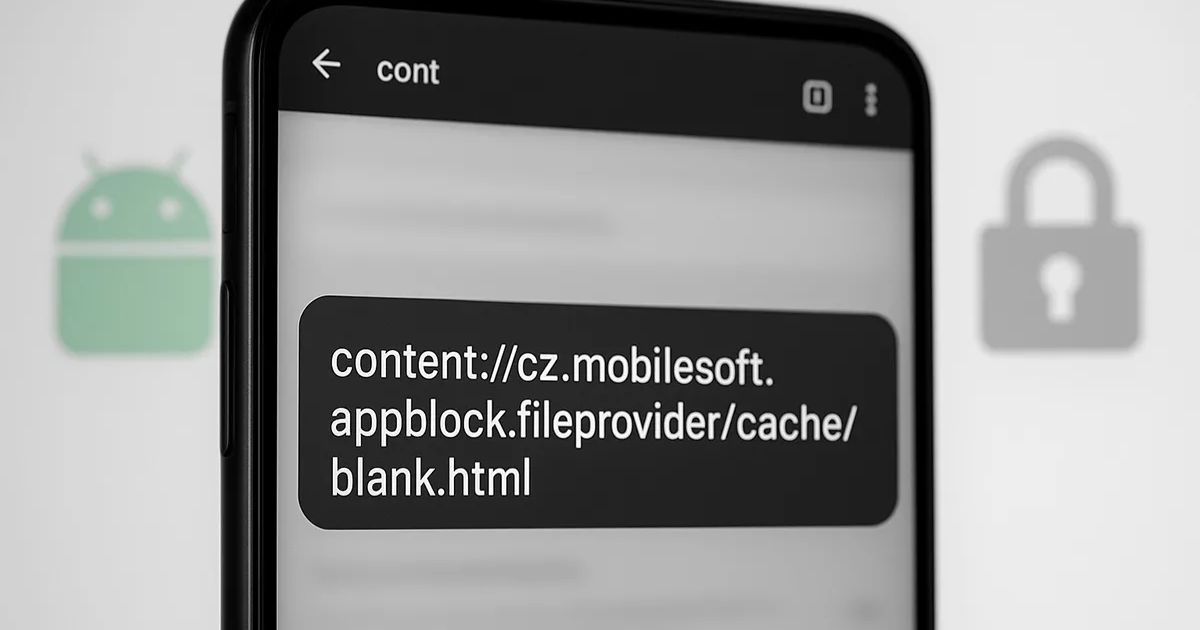
Starting a new project or troubleshooting an unexpected error can feel incredibly frustrating, especially when technology refuses to cooperate. Whether you are a seasoned writer trying to optimize your latest article or a curious user trying to fix a broken link, understanding how data loads is essential. When you encounter a strange web address like content://cz.mobilesoft.appblock.fileprovider/cache/blank.html, it usually means a phone application is trying to display a hidden file or an empty page. Learning how these digital pathways operate behind the scenes will save you hours of unnecessary headaches.
Ever wonder why certain apps suddenly freeze or show a completely blank screen out of nowhere? It usually comes down to how your device handles cached data and local storage systems. If an internal file path gets blocked or corrupted, your user experience instantly breaks. Let us dive straight into why this happens and how to fix it fast.
Getting your technology back on track does not require advanced coding skills or a degree. By clearing out temporary files, you can quickly restore your mobile application to peak performance. Let us explore the easiest troubleshooting methods to keep your device running smoothly and efficiently today.
What Is content://cz.mobilesoft.appblock.fileprovider/cache/blank.html?
If you notice a strange link on your phone, you might feel confused or worried. This specific link represents a temporary cache file created by a productivity application on your device. It usually signifies that a mobile browser or security tool is trying to load an empty webpage.
This technical string is simply an internal pointer, not a harmful virus or malware infection. When the system blocks a distracting online platform, it redirects your screen to this empty asset. Understanding this hidden data stream helps you realize your phone is working exactly as intended.
The main target keyword for this issue is content://cz.mobilesoft.appblock.fileprovider/cache/blank.html, which puzzles many smartphone users. It safely points to a local directory rather than an active website on the live internet. Let us examine how your operating system manages these background files.
Breaking Down the Android Content URI Structure
Android devices use a unique data sharing mechanism called a Content URI to handle local files securely. This system allows different software applications to stream information to each other without exposing private folders. It acts as a digital bridge between your security tools and the core system.
The first part of the link identifies the specific code package responsible for handling the requested action. The middle section grants temporary reading permissions to your active internet browser software. Finally, the trailing part indicates the specific file format being displayed on your screen.
| URI Component | Technical Function | System Access Level |
| content:// | Protocol identifier | Standard Android framework |
| cz.mobilesoft.appblock | App authority name | Private application sandbox |
| fileprovider/cache | Storage directory | Temporary local memory |
Understanding the Role of the AppBlock App
AppBlock is a popular productivity tool designed to limit your screen time and restrict distracting digital habits. It works by intercepting your network traffic whenever you try to open a forbidden or restricted application. This helps users maintain better daily focus while working.
- Block timers restrict access during your scheduled working hours.
- App blocking stops addictive social media platforms from launching.
- Website filtering prevents distracting URLs from loading in browsers.
- Screen tracking monitors your daily device usage habits closely.
- Profile switching changes your restriction rules based on location.
- Usage statistics show detailed reports of your weekly progress.
When the restriction profile is active, the app stops the web traffic from loading any new updates. Instead of showing an error, it serves a local user interface page to confirm the block. This clever mechanism ensures that your device does not waste extra mobile data.
Why Does blank.html Appear on Your Device?
A blank HTML file is a basic web document that contains absolutely zero source code or visible text. Developers use this local asset as a clean placeholder when a regular webpage fails to load properly. It prevents your phone from crashing when a link is broken.
When your productivity app blocks a site, it uses this file to fill the screen safely. This process requires very little random access memory and keeps your device stable during heavy multitasking. It serves as a visual shield against digital temptations and online notifications.
Your smartphone’s internal rendering engine reads the empty file and displays a completely white background. It means the system successfully stopped a distraction while keeping the system memory clear. Let us look at the primary reasons why this path triggers.
Common Causes Behind This File Path
Several common factors can trigger this specific file path to appear on your Android smartphone unexpectedly. Most frequently, it happens because your active parental controls or focus filters are actively blocking an online service. It shows that your security settings are working.
- Active restrictions block specific websites based on your custom schedule.
- Corrupted cache files confuse the system during normal data retrieval.
- Outdated software versions cause unexpected bugs within the application framework.
- Incorrect permissions stop the file provider from sharing data correctly.
- Browser conflicts prevent external links from opening in regular tabs.
- Background crashes force the utility tool to reset its parameters.
Another cause is a simple glitch in the application cache database after a new software update. If the temporary data gets corrupted, the system struggles to read the correct storage path instructions. This minor conflict causes the app to display an empty document.
Is content://cz.mobilesoft.appblock.fileprovider/cache/blank.html Safe?
Seeing a long, unfamiliar technical link inside your internet browser history can certainly look scary at first. However, you can rest assured that this internal address is completely safe and harmless for your device. It contains no executable code blocks that could ever damage your smartphone.
This unique path never tracks your private browsing information or transmits user data to external servers. It simply signals that your phone’s active productivity rules successfully blocked an online distraction. Your personal files, photos, and login credentials remain completely protected.
The primary function of this local text string is to replace blocked web addresses smoothly. Because it acts as a native system asset, it does not use any internet data. This smart background process helps maximize your mobile security while keeping your device running properly.
How AppBlock Uses Cache Files
The AppBlock utility relies on temporary storage files to keep its automated scheduling system running fast. When you set a focus profile, the tool prepares a local document to show instead of live sites. This setup ensures an instant layout shift when a distraction triggers.
Using a local asset prevents your smartphone browser from throwing annoying connection timeout errors or loading loops. The application safely loads a blank document directly from your internal storage partition instead. This smart technique keeps your phone stable during busy work routines.
| File Type | Storage Location | Main Purpose |
| blank.html | Private cache folder | Displays a clean, empty window |
| Filter rules | System memory directory | Identifies restricted web platforms |
| App logs | Temporary user database | Tracks your daily productivity habits |
How to Fix the blank.html Issue on Android
You do not need to panic if this empty layout keeps appearing on your smartphone screen. Resolving this issue is incredibly simple and requires just a few quick taps in your system options. Let us review the best ways to restore normal browsing.
The fastest solution is to adjust your active profiles directly inside the user interface menu. If you accidentally added a helpful website to your blocklist, removing it stops the automatic redirect instantly. This gives you immediate access to your preferred online destinations again.
Alternatively, you can temporarily pause all background restrictions using your phone’s notification panel drop-down. This stops the app from intercepting any incoming web traffic until you decide to activate it again. It is a perfect workaround for quick browsing sessions.
Checking and Adjusting AppBlock Settings
Managing your custom restriction lists is the most efficient way to control how this utility behaves. By reviewing your rules, you ensure that important research websites are never blocked by mistake. Open the main program interface to audit your active focus schedules.
- Open AppBlock by tapping its colorful icon on your home screen layout.
- Access settings by selecting the gear symbol located in the top corner.
About Chromebooks - Tap web filtering to view the entire index of restricted internet links.
About Chromebooks - Remove safe domains from the active list to stop the automatic blocks.
FOSS Post - Save your changes to apply the updated focus rules to your device.
- Test the website inside your mobile browser to verify it loads correctly.
Navigate straight to the web filtering panel to see every domain you currently restrict. Simply tap the delete icon next to any safe link that you need to open right away. Saving these new choices updates your system profile immediately without restarting.
Clearing Browser Cache and App Data
If the empty document continues to display after altering your rules, corrupted data might be the cause. Wiping your temporary storage folders forces the application framework to rebuild its files cleanly. This simple maintenance task clears out old, broken instructions instantly.
- Launch device settings from your smartphone apps menu or top notification shade.
FOSS Post - Select apps management to see the full list of installed software tools.
- Find AppBlock by scrolling down the list or using the search bar.
Command Linux - Tap storage options to view how much space the files are using.
Command Linux - Clear app cache to instantly delete the temporary placeholder document from memory.
FOSS Post - Restart your browser to clear out any remaining redirect links from history.
Go to your device configuration app and open the managed applications section to find the tool. Select the storage option, then choose the option to wipe out all temporary memory blocks. This action removes the hidden file path from your phone.
Frequently Asked Questions
Q1: Can malware create this specific blank page on my Android phone?
No, content://cz.mobilesoft.appblock.fileprovider/cache/blank.html is a completely safe, local file generated exclusively by the official AppBlock application to replace blocked digital distractions.
Q2: Why does my browser history show this strange technical link repeatedly?
Your browser logs content://cz.mobilesoft.appblock.fileprovider/cache/blank.html whenever the AppBlock tool intercepts your web traffic and redirects you away from a restricted website.
Q3: Will deleting this internal file path break my smartphone’s operating system?
Removing content://cz.mobilesoft.appblock.fileprovider/cache/blank.html by clearing your application data is entirely safe and will not harm your mobile device or operating system.
Q4: How can I permanently stop this empty layout from appearing during browsing?
To stop seeing content://cz.mobilesoft.appblock.fileprovider/cache/blank.html, simply turn off web tracking or disable active restriction profiles inside your main AppBlock settings menu.
Q5: Does this redirection path consume my monthly mobile internet data package?
No, content://cz.mobilesoft.appblock.fileprovider/cache/blank.html loads directly from your internal storage memory, meaning it uses absolutely zero cellular or Wi-Fi data.